A well-maintained rental keeps tenants happy, preserves property value, and saves landlords from bigger headaches later. But maintenance is one of those things that often gets pushed aside until something breaks. By then, the “quick fix” can turn into an expensive project.
Keeping a rental in top shape means being consistent. Small, regular checkups and smart planning go a long way.
Start With Preventive Maintenance
Most property problems don’t appear overnight. They build slowly, often unnoticed until they become disruptive. Preventive maintenance is the first line of defense.
That means scheduling seasonal HVAC inspections, checking for roof leaks before rainy months, and keeping gutters clear. It’s not glamorous work, but it’s cheaper than replacing an air conditioner in the middle of July.
Pay Attention to Curb Appeal
The outside of a property is the first thing tenants and prospective renters see. A tidy lawn, trimmed bushes, and fresh exterior paint signal that the home is cared for. That perception often carries over to how tenants treat the inside as well.
Simple touches like power-washing sidewalks or keeping entryways well-lit add safety and appeal. None of this requires a huge budget, but it creates a sense of pride for both tenants and owners.
Stay Ahead on Plumbing and Electrical
Leaky faucets, clogged drains, or flickering lights might feel minor, but they usually signal deeper issues. Ignoring them risks costly water damage or fire hazards later.
A quick inspection every few months can catch problems early. Test smoke detectors, look for moisture under sinks, and check breakers for signs of wear. Tenants may not always report small issues, so it helps to be proactive.
Don’t Neglect the Big Systems
Heating, cooling, and hot water are the backbone of a comfortable rental. If one of these fails, tenants notice immediately, and so will your budget.
Replacing filters, flushing water heaters, and scheduling annual system tune-ups are simple steps that extend the life of expensive equipment. Even if it feels like an unnecessary cost now, it pays off when those systems last years longer.
Plan for Turnover Upgrades
Every tenant change is a chance to refresh the property. Repainting walls, replacing worn carpet, or updating light fixtures between leases keeps the rental competitive in the market.
These updates don’t need to be top-of-the-line. Neutral paint, durable flooring, and efficient appliances create a clean, modern feel without overspending. It’s about balancing durability with appeal.
Communication With Tenants Matters
Tenants are the ones living in the property daily. If they feel comfortable reporting maintenance issues quickly, problems get solved faster and at a lower cost.
Encouraging tenants to notify about leaks, pests, or broken fixtures right away helps avoid hidden damage. Responding promptly also builds trust, which often translates into longer leases and less turnover.
When Property Managers Make the Difference
Maintenance is often what separates a rental that feels “passive” from one that constantly demands attention. Property managers can coordinate repairs, schedule regular inspections, and handle tenant communication.
Instead of juggling calls about leaking toilets or broken appliances, owners can rely on managers to oversee the entire process. It’s a smoother way to keep rentals in top condition without sacrificing personal time.
Budgeting for Ongoing Maintenance
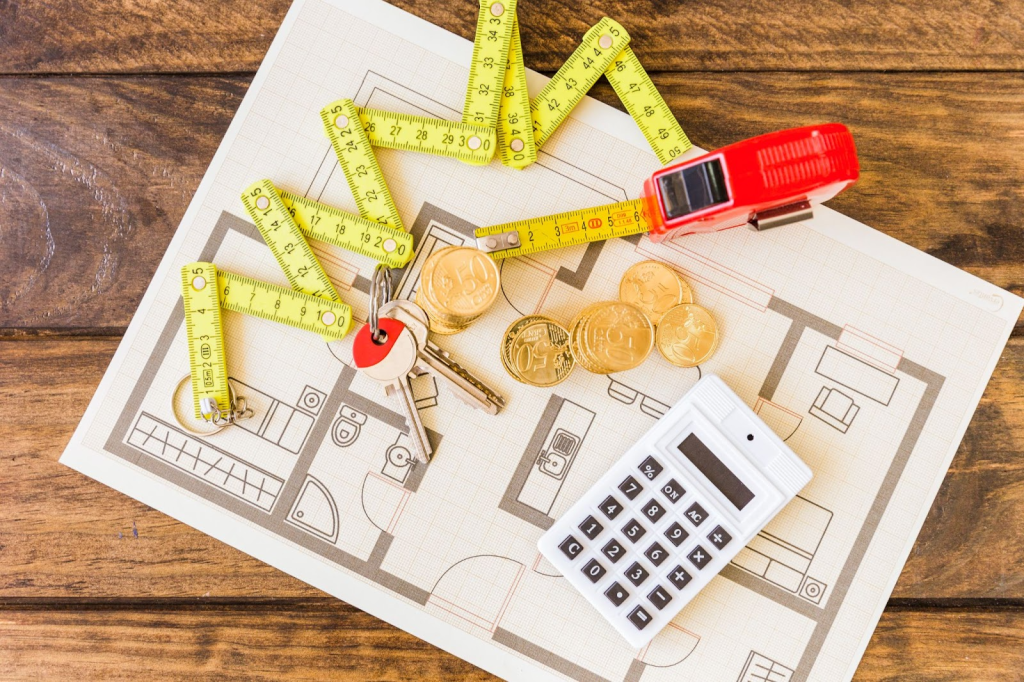
Even with planning, maintenance costs money. The best approach is to set aside part of the rental income each month; about 1 to 2 percent of the property’s value annually is a common guideline.
That cushion ensures there’s cash ready when something breaks. More importantly, it removes the panic from maintenance decisions. Having a budget means repairs can be handled promptly instead of being delayed.
Final Thoughts
Rental properties stay profitable when they’re cared for consistently. Preventive maintenance, steady upgrades, and tenant-friendly communication make the difference between a home that feels inviting and one that slowly falls behind.
For landlords who want the income without the constant oversight, property managers can provide the support needed to keep everything running smoothly. At Lucroy Residential, we take that role seriously, helping owners protect their investments while keeping tenants comfortable.
FAQs
1. What’s the most important rental maintenance task?
A: Preventive upkeep, like HVAC inspections and leak checks, saves the most money long-term.
2. How often should a rental property be inspected?
A: At least once or twice a year, plus quick checkups between tenants.
3. What upgrades should be done during tenant turnover?
A: Fresh paint, new flooring if needed, and updated fixtures help rentals stay competitive.
4. How can landlords encourage tenants to report issues?
A: By responding quickly to repairs and keeping communication open, tenants feel comfortable reporting problems early.
5. Do property managers handle maintenance?
A: Yes. They coordinate repairs, schedule inspections, and manage tenant requests to keep rentals in good condition.
